Featured
Table of Contents
Idea: Traditional media training that focuses on tight soundbites and message bridging techniques that work for print is dead. The new media age favours individuals who can weave several, complicated narratives together to paint a larger vision for the future. In a video-first medium environments, your spokespeople require long-form discussion endurance (less rehearsed soundbites) and deep domain expertise with examples and information points (aka authentic storytelling capabilities).
It's helpful to refine skills ahead of time rather of doing it on the fly. I work at a start-up and I know how these things go. At least, prepare authorized essential messages. Idea: Instead of asking to see a journalist's interview questions ahead of time, try this: "Can you assist offer me an idea of what subjects you wish to deal with?" This works best when it's something the press reporter has reached out to you about if you ask about this in action to something you have actually pitched, they're going to state that they're going to ask questions in the realm of what you have actually pitched.
If you're consisting of a news release, you can put the material in the body of the e-mail rather than an attachment, so the person doesn't have to go clicking links to here, there, and everywhere. Pitching a story about "the other day's news" won't cut it, but there could be an opportunity for your specialist to contribute to the conversation or share a various point of view.
Essential Tips for Better Media Coverage
Idea: Press reporters will browse their inbox when they're searching for a professional opinion on a subject they're blogging about. If you do a good task of placing the right keywords in your pitch you may still win a positioning down the line. Include media Make your media kit a one-stop purchase every asset needed to press "publish" including high-resolution images (picture and landscape).
Consist of the copyright information for any media so the reporter does not need to go after. I also like to include the credit in the image file name so they can send it to the image desk with a lot more ease. Pointer: It's usually much better to send out a press reporter a link to your media package on your website instead of a PDF.
Be readily available and responsive If a press reporter reveals interest, react immediately and be available to provide extra info, interviews, or resources. Follow up attentively If you don't hear back, one respectful, short follow-up can be effective.
If an editor or press reporter states "no" accept it gracefully. If you've invested any time in PR or media relations, you understand the job isn't actually about sending pitches.
The Future of Brand Strategy By 2026
Knowing when to lean in and when to wait. Deciding which outlet really makes sense for a story, and which one just looks good on a protection report. Considering how to support a story with time rather of chasing after a single hit and carrying on. The media landscape will continue to change.
What's stayed consistent, a minimum of in my experience, is the worth of telling stories that matter and putting them in ways that appreciate how individuals in fact read, see, and listen. That's the part I've learned to focus on, due to the fact that it's the part that still holds up when everything else walks around it.
Strong media relations are an important element of your public relations strategy. By developing strong relationships with influential press reporters and bloggers, you can reach and link to your target market. There are a number of crucial benefits of a media and public relations program that makes it a crucial pillar of any marketing technique.
These links are valuable in driving website traffic and placing you as a reliable source of info on relevant subjects in the eyes of Google and other search engines. With links to your site on third-party news and sites, you will drive traffic back to your website and increase your search rankings, enhancing SEO performance and reaching brand-new audiences.
A reliable review from a reputable publication or trade blogger can assist consumers feel more comfortable and thrilled about purchasing your product, decreasing the buying danger for prospects. This is why it is important for B2B and innovation organizations to be visible on popular media outlets and alternative digital resources.
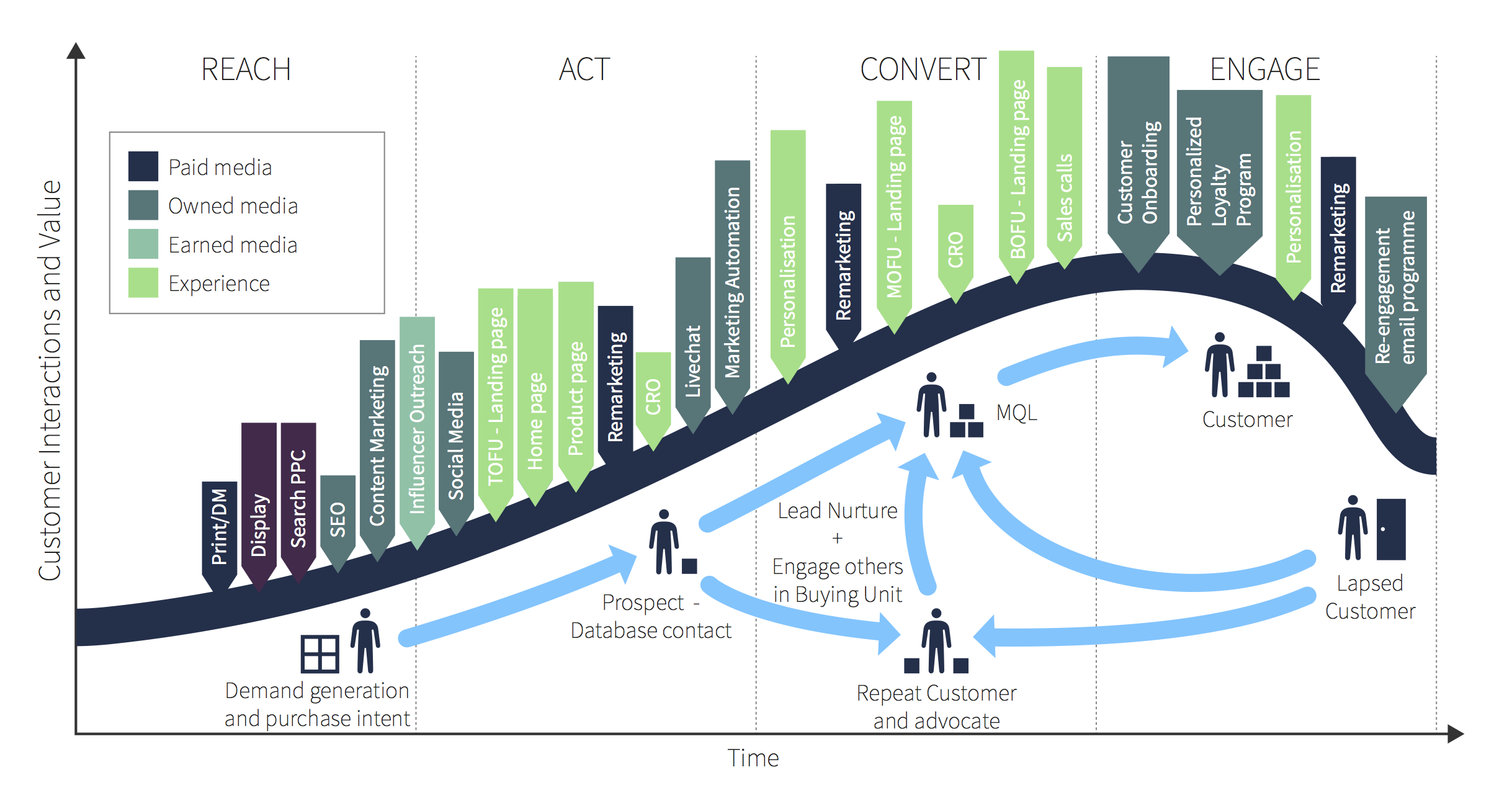
Optimizing Your Digital Strategy for 2026
With placements and strong media relationships, companies can increase presence amongst key audiences and place the company as an idea leader and go-to resource for industry-related details. Comparable to increasing awareness of your services and products among potential customers, media relations can also help you attain funding goals and draw in financiers.
In addition to driving more traffic to your site and improving SEO efficiency, PR can augment other areas of your marketing program. This includes providing fodder for content marketing materials, such as white documents, site content and post, in addition to social networks marketing efforts. A strong media technique drives implying business outcomes for your company that lead to sales and measurable increases in digital success.
Is Your Brand Ready for Modern PR?Companies that haphazardly reach out to the media without a clear understanding of the news landscape or technique will lose out on considerable development potential and threat staining their brands. A strong media relations technique must incorporate constant messaging, well-targeted media lists, newsworthy media pitches, engaging content and measurable objectives.
If you are prepared to produce more significant organization results and sales boosts using PR, call us today at (312) 235-6171 to learn more about our detailed services and client success stories.
: Contact the Public Relations office to assist guide and prepare you for the media opportunity.: Journalists work under tight due dates, so the earlier you react the most likely you are to be included in the story.: Prior to the interview, identify 34 points you desire to convey and practice providing them.
How AEO Redefines Brand Visibility
Ask for information if necessary.: Record your message in a couple of clear and concise sentences.: Speak in lay terms. Avoid jargon.: Use vibrant anecdotes, examples, and examples to show your points.: Realities and figures will clarify your points and include authority to the interview.: Keep it conversational but consult with confidence.
: If you misspeak, just state so and correct your response. If the recruiter presents inaccurate information, mention the error and offer the correct information. Contact the PR team at 617-353-2240 or .
Posted on December 6, 2021August 29, 2022Photo thanks to Pexels Even as the communications sector has actually broadened to include social media channels, blog sites, virtual occasions and more, media relations has actually stayed and will remain a foundation of any smart MarComm technique. That is why following the best media relations ideas is crucial to see the best results.
Essential Tips for Better Media Outreach
Reporting by professional (and even quasi-professional) reporters has significant sway over popular opinion and customer behaviors. With that in mind, here are the top 5 media relations best practices. Structure trust with journalists is key to your success in media relations. That doesn't necessarily mean wining and dining them, but it does imply doing your homework.

Latest Posts
Mastering Corporate Reputation for Future Success
Essential PR Shifts to Watch in 2026
Improving Digital Reputation in a AI Landscape